The Person, the Path, and the Goal: Combining CX and UX
UX and CX are often viewed separately, yet both pursue the same goal: to create a cohesive, holistic experience for real people. When we bring together the person, the journey, and the goal, experiences are created that don't just work, but delight.
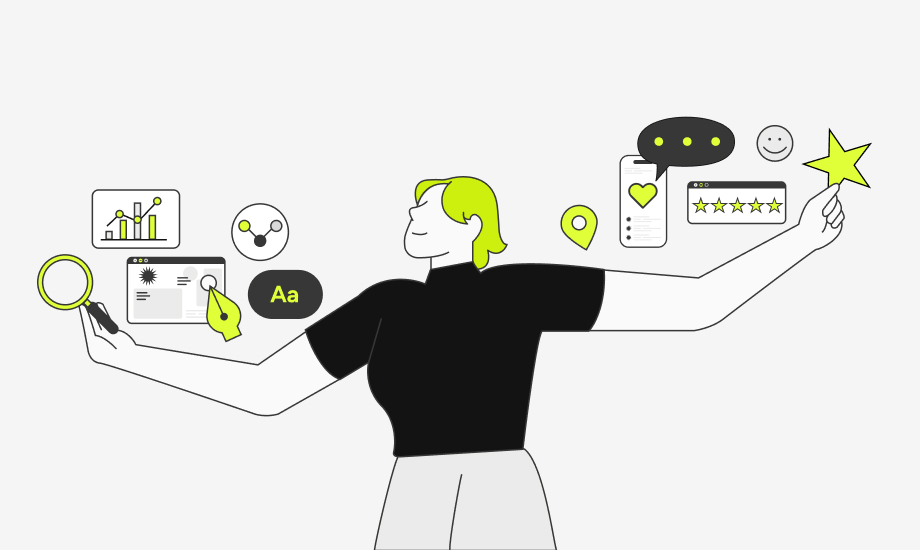
In the world of product and service design, UX and CX are often treated as separate domains. UX is seen as digital, detailed, and interface-driven-focused on optimizing interactions with a product. CX, on the other hand, is broader covering every touchpoint: including the physical ones a customer has with a brand, from marketing to support.
While UX and CX are distinct disciplines, their separation can feel artificial when viewed from the customer’s overall experience.
At the center of both disciplines is the same human being-with the same needs, expectations, emotions, and goals. By integrating UX and CX thinking, we can design not just products, but holistic experiences across the entire customer interaction — experiences that are seamless, meaningful, and genuinely human-centered.
In this article, I would like to explore how we can connect the person, the path, and the goal.
1. The Person: Understanding the Whole Human
UX often focuses on users: what they click, how they navigate, where they struggle. It is usually concentrated in a product. CX looks at customers: how they discover, buy, use, and talk about a product or service. Even though sometimes the customer is not the user, CX and UX are just different lenses on the same person.
To serve them well, we must understand them holistically:
What motivates them?
What frustrates them?
What are their goals, not just in the product, but in their lives?
Insight: UX Research investigates how people interact with a product, while CX Research shows how they perceive the overall experience—including loyalty and emotional responses. Together, both provide a true 360-degree view of the person behind the clicks.
2. The Path: Mapping the Full Journey
User Flows and Journey Maps are helpful tools for making behaviors visible and comprehensible, but they are often used separately. A UX focus typically shows how someone navigates through a product—for example, from the first visit to a landing page to checkout. A CX focus goes further and considers the entire lifecycle: from initial awareness, through usage and support, to long-term retention.
But a great experience doesn’t start at sign-in and end at logout.
Integrating UX and CX journeys helps you:
Identify gaps between promise and reality
Design consistency across channels (e.g., website, app, email, in-person)
Understand handoffs (e.g., from marketing to product, from product to support)
Example: If your UX team optimizes the sign-up process but users feel misled by the messaging they saw in ads, the experience fails. CX ensures alignment before the first click. UX ensures excellence after.
3. The Goal: Solving Real Problems, Not Just Product Tasks
Good UX helps users accomplish tasks easily. Good CX ensures those tasks ladder up to meaningful goals-both for the user and the business.
When you combine the two:
UX focuses on product interactions, usability, and interaction flows
CX looks at the broader journey across touchpoints and contexts
Together, they help solve real problems in ways that feel effortless and satisfying
UX asks: "How do users experience the interaction with the product—is it understandable, helpful, intuitive, and pleasant?"
CX asks: "How do customers experience the entire relationship with the brand—across all touchpoints, from initial awareness to support and retention?"
A business that invests only in UX may create a frictionless checkout, but still lose customers due to poor communication or inconsistent expectations. A business that focuses only on CX might understand the overall journey, but struggle with execution in the digital product.
The sweet spot is in the overlap.
Practical Ways to Combine UX and CX
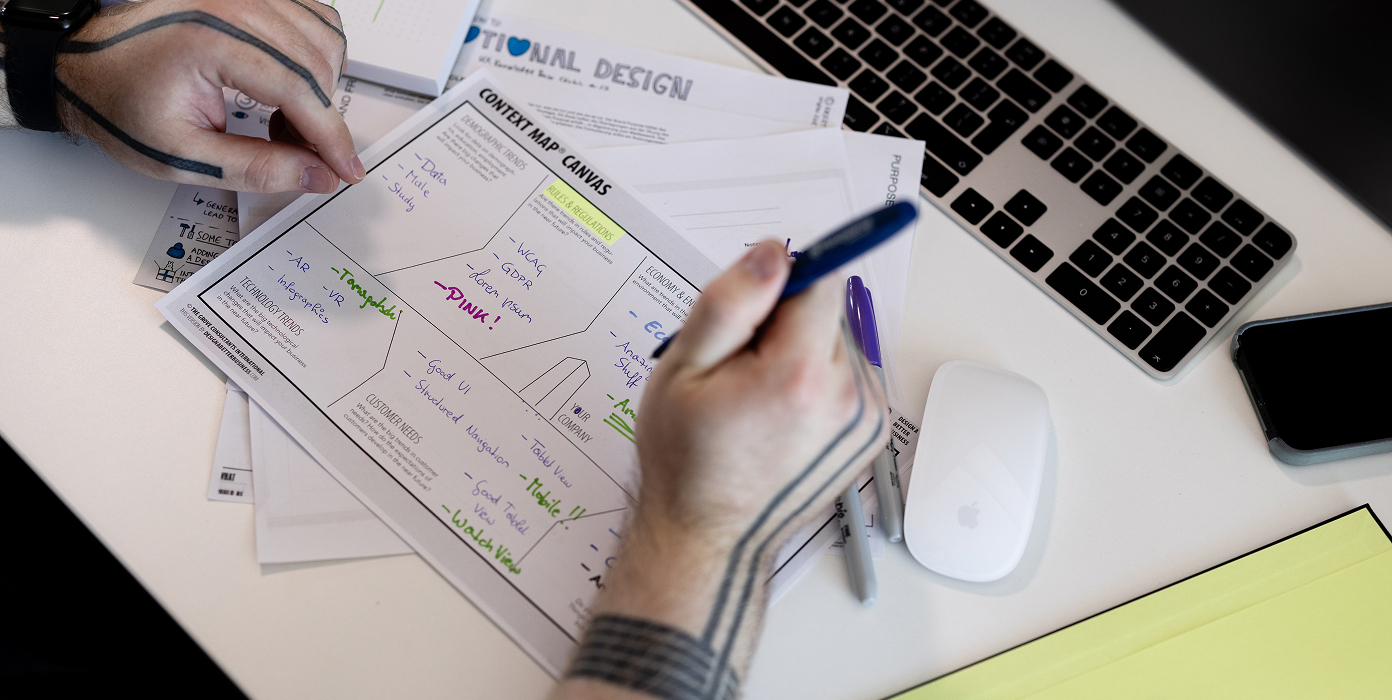
Cross-functional Journey Mapping: Bring CX strategists and UX designers together to map journeys that span both digital and real-world touchpoints.
Shared Research Repositories: Merge qualitative insights from usability testing (UX) with survey and NPS data (CX) to form richer personas and problem statements.
Unified Success Metrics: Combine metrics like task success (UX) with customer effort scores or satisfaction (CX) to assess experience quality holistically.
Close the Loop: Use CX feedback channels (e.g., support tickets, social media) to inform UX decisions and vice versa.
Designing for Real People, Not Just Roles
UX and CX aren’t competing frameworks-they’re complementary perspectives. UX zooms in. CX zooms out. The magic happens when they work together, grounded in empathy for the person, clarity on the path, and alignment on the goal.
Because in the end, users don’t care which team built the experience. They just want it to work-for them. Here in LX media, we create holistic digital experiences. Contact us if you would like to create a complete Research Strategy for your organization.