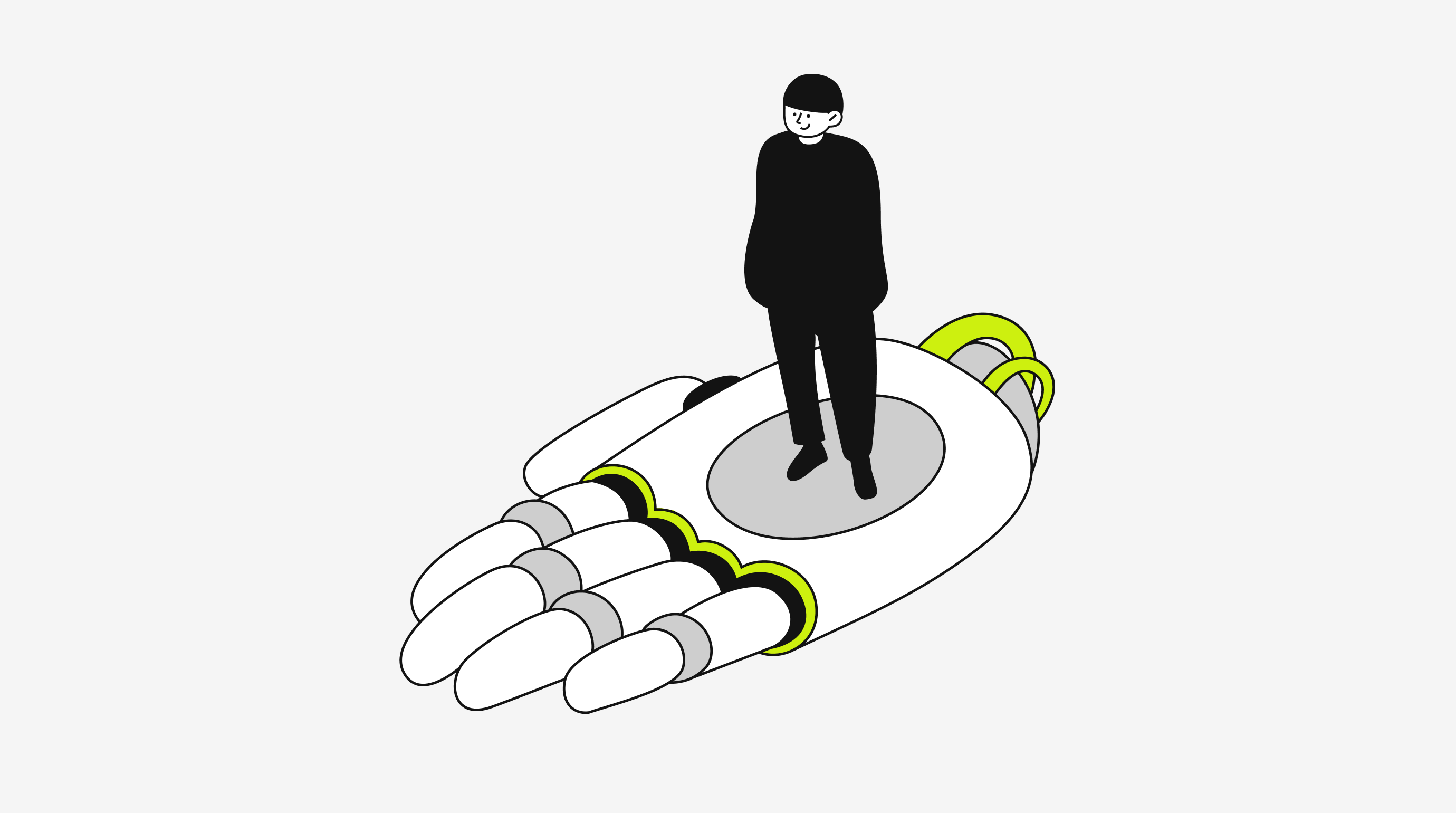
Designing HMI that truly matters
Principles, Ethics, and Responsibility in Human–Machine Interface Design
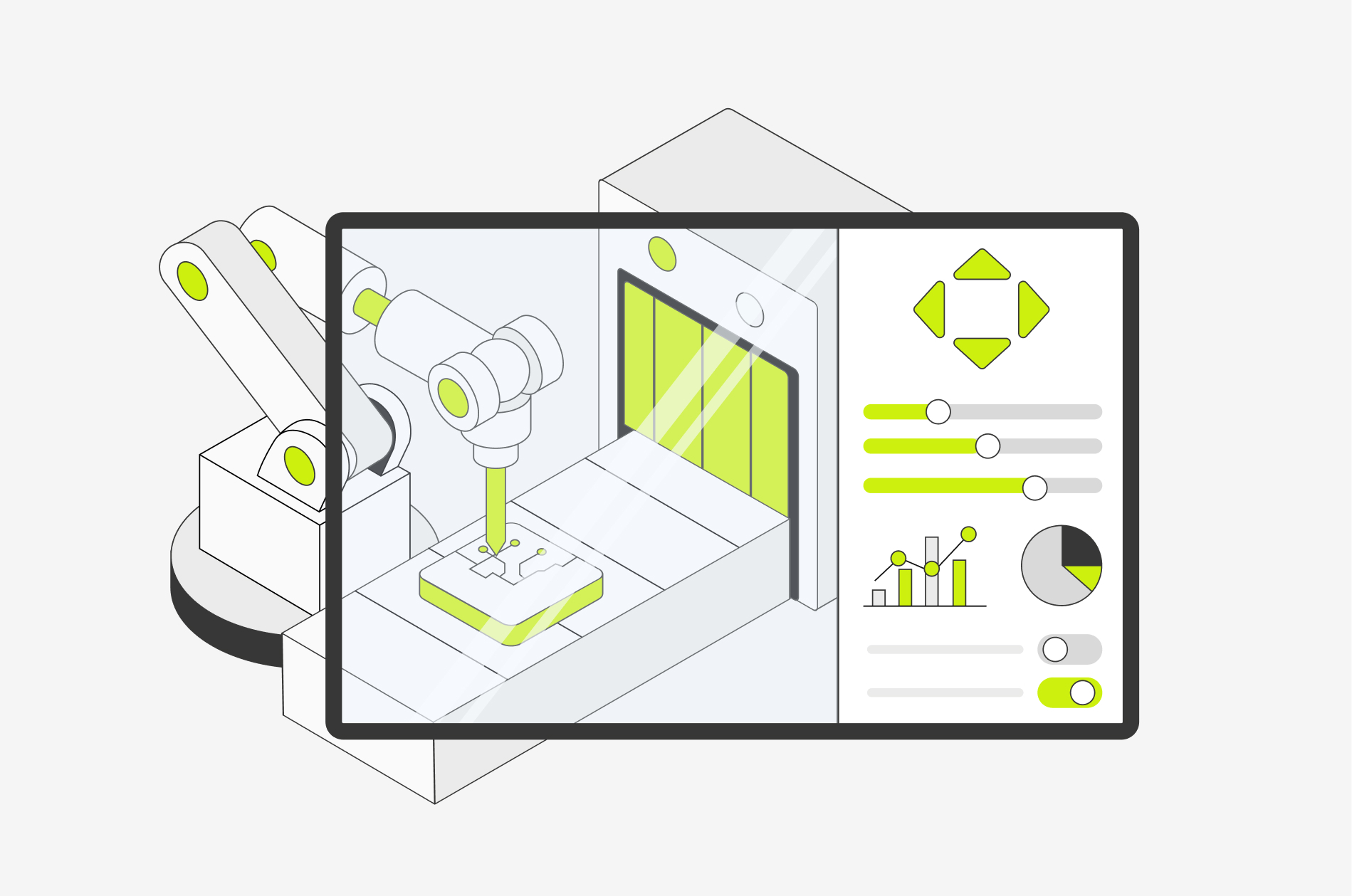
Human–Machine Interfaces (HMIs) are not just screens. They are the point where digital decisions become physical actions.
In industrial plants, operating rooms, aircraft cockpits, or vehicles equipped with advanced driver assistance systems, the HMI is the cognitive bridge between humans and complex systems. And as system complexity increases, so does the responsibility of design. A well-designed interface improves usability and offers additional benefits. It reduces errors, accelerates critical decisions, protects people and assets, and improves operational efficiency.
Designing HMI is not about “making UI.”
It is about designing decision systems.
Why HMI Design is a safety issue, not an aesthetic one
In modern industrial and automotive systems, the HMI screen is the primary point of control and feedback. When something goes wrong, operators don’t look at code, they look at the interface.
An inefficient design can lead to:
Delayed operator response during critical events
Human error caused by ambiguous labels or inconsistent navigation
Cognitive overload under stress
Reduced situational awareness
Decreased trust in the system
Research conducted by NASA has shown that simplifying cockpit interfaces, reducing visual clutter and prioritizing critical information, significantly improved pilot performance.
The principle is simple:System complexity must not become interface complexity.
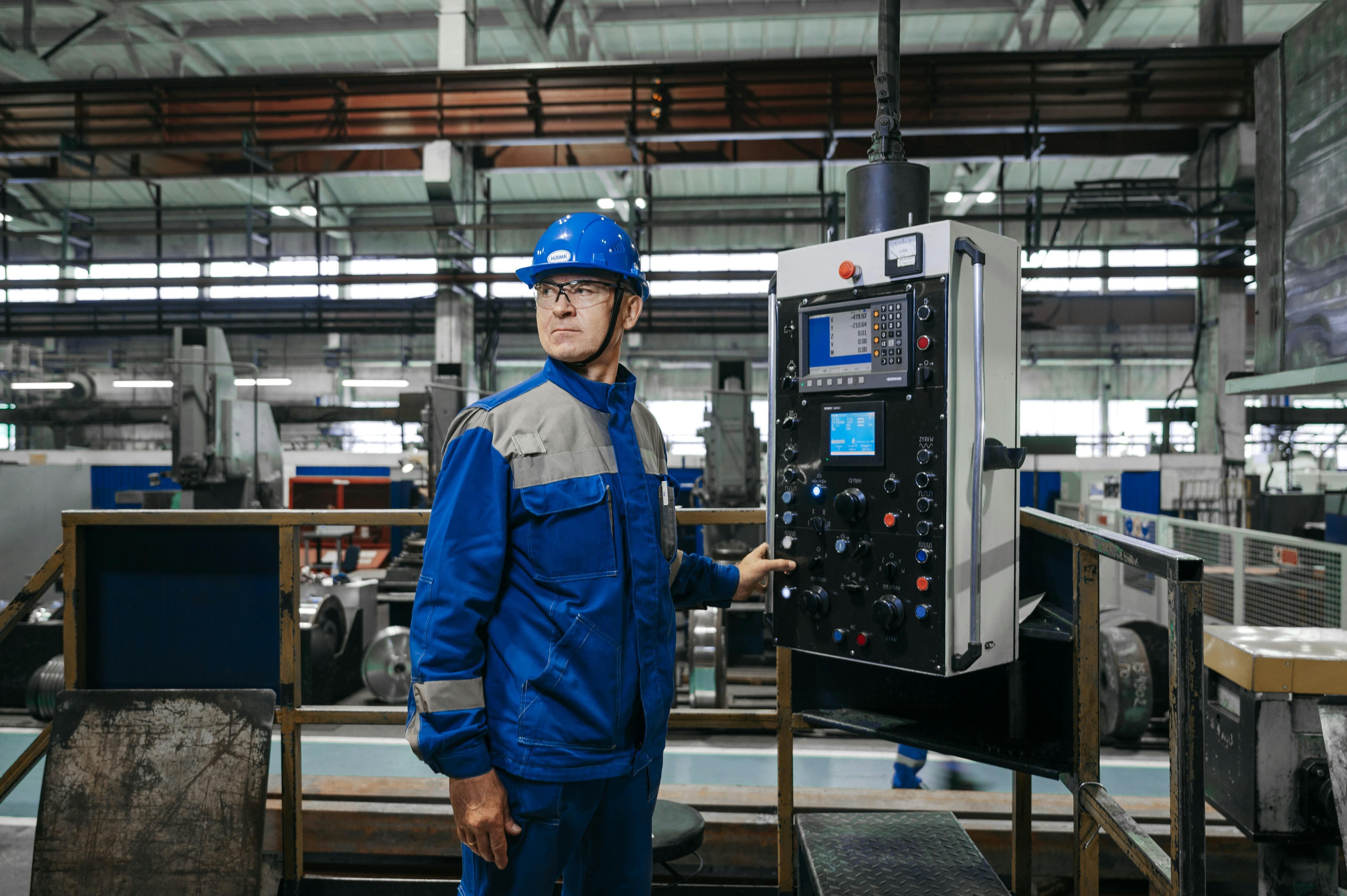
10 Ethical principles for responsible HMI Design
Ethical HMI design is not a visual polish layer.
It is a discipline that integrates cognitive psychology, engineering, functional safety, and regulatory responsibility.
Below are the core principles we consider essential in high-criticality HMI projects.
1. The system state must tell the truth
An HMI that displays information misaligned with the actual system state is dangerous. Standards such as ISO 26262 and IEC 61508 require accurate representation of safety-critical systems. This is not just compliance. It is accident prevention.
2. Prevent errors, don’t just manage them
In safety-critical contexts, relying on users to detect and correct mistakes is risky. Intelligent confirmations, guided workflows, conditional logic, design must anticipate human slips. The goal is not to make users more careful. It is to make systems more resilient.
3. Visual hierarchy must follow risk
Not all information carries the same weight. For example, a brake system failure in a vehicle cannot visually compete with secondary information. Visual priority must reflect operational priority. In this way, design becomes risk management.
4. Inclusivity is a safety requirement
Designing for the “average user” is not enough. Operators may be wearing gloves, there may be screen glare, they may be fatigued, they may be colorblind, and they may be in noisy environments. The HMI must work in real-world conditions. Standards such as WCAG 2.2 and EN 301 549 are not limited to web contexts. They also provide valuable guidance for industrial and automotive systems.
In HMI, accessibility means safety.
5. Reducing cognitive load Is a design responsibility
Under pressure, working memory shrinks. That is why we prioritize:
Recognition over recall
Information chunking
Minimizing hidden modes
Progressive disclosure
In automotive environments, head-up display (HUD) systems were introduced to reduce the time drivers spend with their eyes off the road.
6. Every interaction must be traceable
In high-risk systems, traceability is not optional. Standards such as IEC 62304 and FDA 21 CFR Part 11 require complete audit trails. From a UX perspective, this means designing logs that are clear, contextualized, and actionable.
7. The HMI is a threat surface
As IoT and industrial connectivity expand, the interface itself becomes a cybersecurity entry point. Frameworks such as IEC 62443 and NIST SP 800-53 emphasize the importance of protecting the UI layer in conjunction with the control infrastructure. UX and security must work together.
8. Physical context is part of the design
An interface designed only in laboratory conditions will fail in the field due to factors like vibration, sunlight glare, dust, PPE, and high temperatures. Effective HMI design emerges from realistic testing environments.
9. Errors should guide, not alarm
Generic messages such as “System Error” are unacceptable in critical environments. Standards like ISO 9241-171 and IEC 60601 emphasize clarity and recoverability.
A well-designed error message explains:
What happened
Why it happened
What to do next
10. Test under pressure
An HMI that performs well in the lab may fail during emergencies. Testing should include:
Noise
Fatigue
Distractions
Simulated failures
Ethical HMI design requires validation in realistic operational conditions.
Beyond principles: Where HMI Design is heading
The evolution is clear: more adaptive, multimodal, and intelligent systems.
Automotive HMI
In vehicles equipped with Level 2–3 autonomy, the challenge is not only displaying information, it is clearly communicating when the driver must retake control.
Future automotive HMI systems will be:
Context-aware
Multimodal
Emotion-sensitive
Integrated with conversational AI
Digital Twins and advanced industrial systems
Digital twins are rapidly moving from innovation pilots to operational infrastructure across manufacturing, energy, mobility, and smart systems. A digital twin, a continuously updated virtual representation of a physical asset, promises predictive maintenance, performance optimization, and simulation-driven decision-making. But without a well designed interface, a digital twin is just a data engine.
In this ecosystems, the interface becomes the lens through which system intelligence is accessible. Predictive visualization, role-based personalization, AR/VR integration, real-time insights, here UX design is not supportive. It is strategic.
The real goal: Humanizing Complexity
Every HMI screen is a decision point. Every decision has consequences.
Investing in intelligent HMI design means:
Fewer operational errors
Faster response times
Increased uptime and reliability
Greater trust and adoption
Reduced costs related to incidents and inefficiencies
Designing HMI is not about simplifying technology. It is about making what matters visible, at the right moment, in the right way.
In an increasingly automated world, true innovation means more than making machines smarter.True innovation means making the interaction between humans and machines clearer, safer, and more responsible.